
The landscape of search engine optimization is undergoing a profound transformation as we move through 2026. For over two decades, the objective of SEO was relatively straightforward: optimize a website to rank within the top ten "blue links" on a results page. However, the integration of Large Language Models (LLMs) and generative artificial intelligence into search engines has fundamentally altered how users discover information and interact with brands.
This shift, often referred to as Generative Engine Optimization (GEO), requires a proactive adjustment in strategy for small and medium-sized businesses. It is no longer sufficient to merely target high-volume keywords; organizations must now position themselves as the authoritative sources that AI systems choose to cite in their synthesized responses.
The Rise of Generative AI in Search
As of early 2026, AI-generated overviews appear in approximately 25% of all Google searches. This represents a significant milestone in the evolution of digital discovery. These summaries provide direct answers to user queries at the top of the search results page, often mitigating the need for the user to click through to an external website. Reports indicate that this "zero-click" trend has resulted in a nearly 35% reduction in traditional click-through rates for informational queries.
While this may seem daunting, it also presents a unique opportunity for businesses that specialize in digital marketing and high-quality content creation. The AI systems powering these overviews: such as Google’s Gemini, ChatGPT, and Perplexity: rely on indexed web content to generate their answers. To maintain visibility, your primary objective must be to become the cited source within these AI-generated windows.

Understanding the Evolution of Search Intent
In the previous era of search, users typically entered fragmented keywords such as "best CRM software" or "web design Summerville." In 2026, search patterns have evolved into long-form, complex questions. A modern query is more likely to look like: "What is the best CRM for a small marketing agency that needs integrated social media management and automated client reporting?"
This shift toward natural language means that search engines are now interpreting intent rather than just matching keywords. AI-influenced search focuses on the "why" and "how" behind a query. Small businesses can leverage this by creating content that directly addresses these specific, multi-layered questions. By focusing on comprehensive answers, you can secure a position in the "discovery stage" of the customer journey, where AI currently dominates.
The Multimodal Search Revolution
Search is no longer confined to the keyboard. The proliferation of tools like Google Lens and "Circle to Search" has made visual and voice search as common as typing. Google Lens now processes over 12 billion visual searches every month. This multimodal approach: combining text, images, and video: means your SEO strategy must be equally diverse.
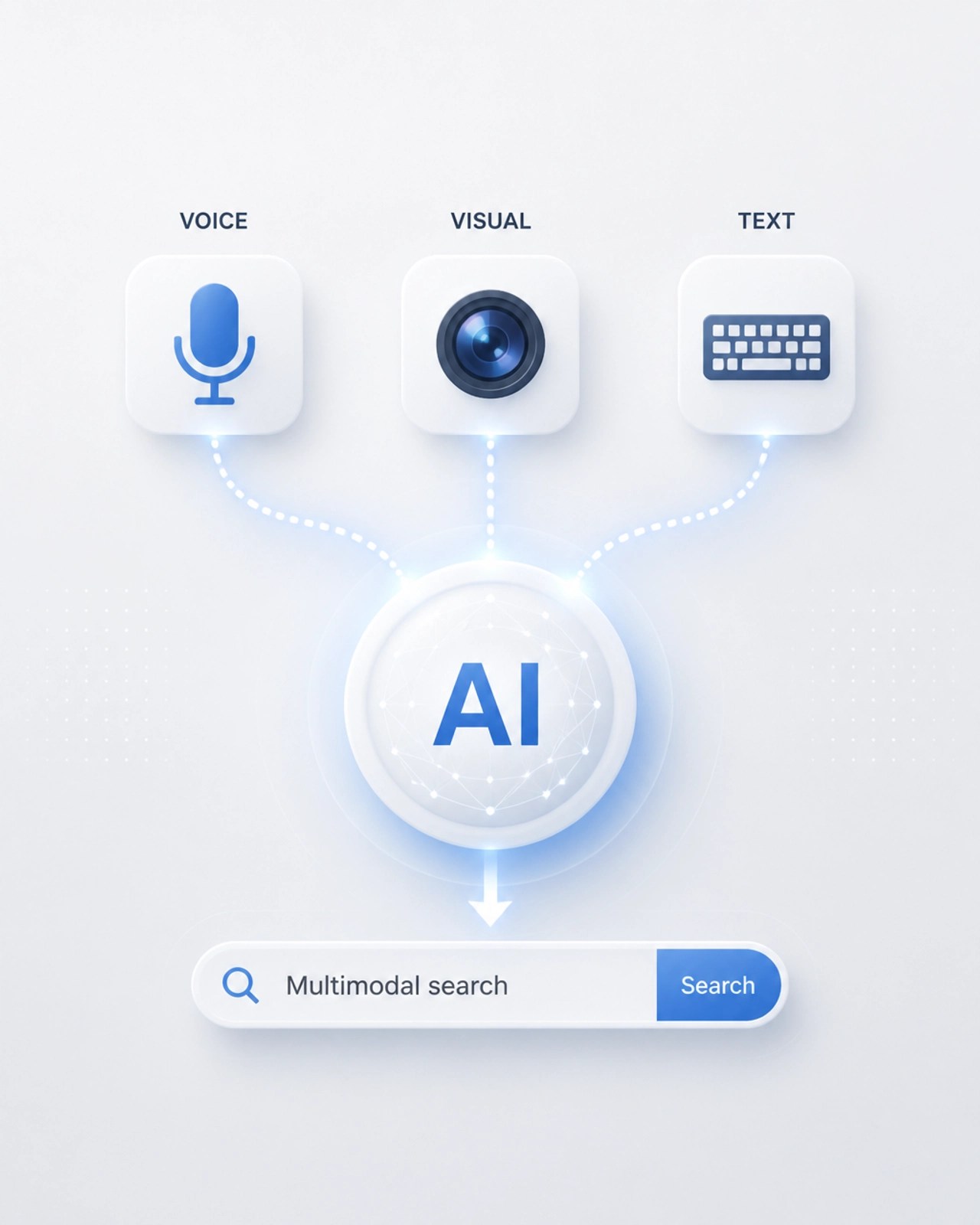
To adapt to this change, businesses should prioritize:
- High-Resolution Product Imagery: Ensuring all images on your site are optimized for visual search recognition.
- Structured Data: Utilizing schema markup to help AI systems understand the context of your images, videos, and data tables.
- Video Integration: Creating short, informative video content that answers common industry questions.
If you are looking to enhance your visual presence, our team at Integrated Mobile Marketing can help you design a platform that is optimized for both traditional and multimodal discovery.
The E-E-A-T Imperative in an AI Era
As AI-generated content becomes more prevalent, the value of human expertise and verifiable authority has increased. Search engines and LLMs are placing a higher premium on E-E-A-T: Experience, Expertise, Authoritativeness, and Trustworthiness.
AI systems are designed to minimize the risk of providing incorrect information (often referred to as "hallucinations"). Consequently, they are programmed to prioritize sources that demonstrate a long history of reliability and depth of knowledge.
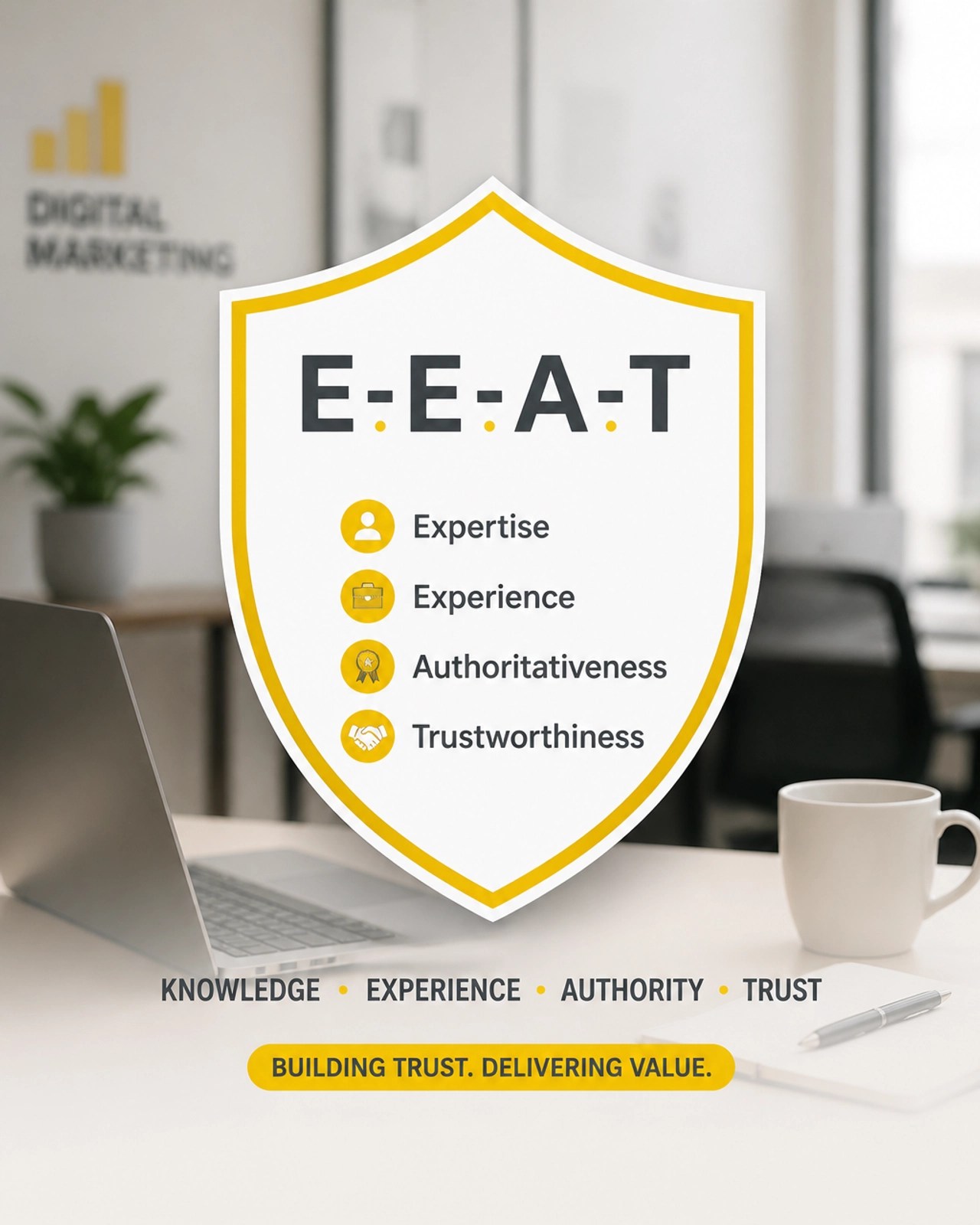
To strengthen your brand's authority in 2026, consider the following proactive measures:
- Original Research and Case Studies: Publish unique data and real-world examples that cannot be replicated by an AI.
- Author Profiles: Clearly define the expertise of the individuals writing your content to satisfy "Expertise" requirements.
- Local Engagement: Maintain an active Google Business profile and encourage client reviews to bolster your reputation.
- Backlink Quality: Focus on obtaining citations from reputable industry news outlets and academic publications rather than high-volume, low-quality directories.
Developing a Multi-Platform GEO Strategy
The monopoly of a single search engine is fading. While Google remains a dominant force, platforms like ChatGPT, Perplexity, and even social-first searches on YouTube and TikTok are capturing significant portions of the discovery market. ChatGPT alone now handles over 200 million queries daily.
Each platform has its own set of preferences. For instance, Google's AI Overviews tend to favor content that already performs well in traditional search. Conversely, ChatGPT often sources information from community-driven platforms like Reddit or niche industry forums. A modern digital marketing strategy must account for this fragmentation. You should ensure your content is distributed across multiple channels to maximize the chances of being referenced by various AI models.

Actionable Steps for Small Businesses in 2026
Transitioning from traditional SEO to an AI-first approach does not happen overnight. It requires a logical restructuring of your digital assets. Here is a roadmap to help you navigate this transition:
- Audit for Direct Answers: Review your existing content. Does it answer a specific question within the first two paragraphs? If not, restructure it to provide immediate value to an AI crawler.
- Leverage Custom Web Solutions: Avoid generic templates that may slow down your site or obscure your content from crawlers. A custom WordPress theme can provide the clean code and speed necessary for modern search requirements.
- Focus on Long-Tail Intent: Stop competing for broad terms. Instead, build a library of content that addresses the "edge cases" and detailed problems your customers face.
- Update Content Regularly: AI models prioritize fresh information. Ensure your core service pages and blog posts are updated with the latest industry data and internal insights.
Conclusion
The evolution of AI-influenced search is not a threat to small business growth, but rather a shift in the rules of engagement. By moving beyond traditional keyword density and focusing on authority, intent-dense content, and multimodal optimization, your business can thrive in this new era. The goal is no longer to just "be found" but to be the definitive answer that the world's most advanced AI systems choose to provide.
At Integrated Mobile Marketing, we are dedicated to helping our clients stay ahead of these technological milestones. Whether you need a more robust reputation management strategy or a complete website overhaul to support new search standards, our team is here to guide your digital growth.
Upcoming Content Schedule
To keep you informed on the latest digital trends, we have scheduled the following deep-dives over the coming weeks:
- May 13: Maximizing ROI: Why Your Business Needs a Professional WooCommerce Integration
- May 15: The Power of Localized Content: Capturing Your Community with Geo-Targeted SEO
- May 17: User Experience (UX) vs. User Interface (UI): Why Both are Vital for Conversion
- May 19: The Importance of Accessibility in 2026: Designing for Everyone
- May 21: Scaling Your Business: Transitioning from a Small Site to a Full-Stack Solution