
The landscape of search engine optimization has undergone a profound transformation. As we navigate through 2026, the traditional methods of simply "ranking for keywords" are no longer sufficient to sustain a competitive advantage. The advent of AI Overviews (formerly SGE), large language models (LLMs), and zero-click searches has shifted the focus from raw traffic to high-intent engagement. For small business owners, this evolution presents both a challenge and a significant opportunity to capture market share from larger, less agile competitors.
To thrive in this new era, your small business SEO strategy must be multifaceted, focusing on technical excellence, authoritative content, and sophisticated conversion tactics. Below is a comprehensive list of over 50 actionable examples and strategies designed to help you dominate the search results and turn organic visibility into measurable growth.
Technical SEO & Site Architecture Fundamentals
Technical hygiene remains the bedrock of any successful digital presence. Without a stable foundation, even the most exceptional content will struggle to gain traction in an AI-driven index.
- Mobile-First Indexing Mastery: Ensure your website is fully responsive, as Google prioritizes the mobile version of your content for indexing and ranking.
- Core Web Vitals Optimization: Prioritize Largest Contentful Paint (LCP) and Cumulative Layout Shift (CLS) to provide a seamless user experience.
- HTTPS Implementation: Secure your site with an SSL certificate to maintain user trust and meet search engine requirements.
- XML Sitemap Accuracy: Maintain a clean XML sitemap to help search engine crawlers navigate your site efficiently.
- Robots.txt Configuration: Use robots.txt to prevent crawlers from wasting crawl budget on low-value pages like "thank you" or internal search results.
- Structured Data (Schema.org): Implement FAQ, Product, and Article schema to help AI systems understand your content's context.
- Clean URL Structures: Use descriptive, keyword-rich URLs (e.g.,
/small-business-seo-tips/) rather than generic strings. - Internal Linking Strategy: Use descriptive anchor text to link related blog posts to your service pages, strengthening topical authority.
- Image Compression: Utilize WebP formats to reduce load times without compromising visual quality.
- 404 Error Remediation: Regularly audit your site for broken links and implement 301 redirects to preserve link equity.
Content Excellence & The E-E-A-T Framework
In the AI era, search engines prioritize content that demonstrates Experience, Expertise, Authoritativeness, and Trustworthiness (E-E-A-T).

- Comprehensive Service Pages: Instead of a simple bulleted list, create long-form pages that explain the "how" and "why" of your services.
- Case Study Integration: Publish detailed "Before and After" results to provide tangible proof of your expertise.
- Expert Author Bios: Include detailed biographies for your writers, highlighting their credentials and industry experience.
- First-Person Narratives: Use phrases like "In my experience" or "Our team found" to satisfy the "Experience" component of E-E-A-T.
- Original Research: Conduct small-scale surveys or data analysis within your niche to create "linkable assets" that others will cite.
- Niche-Specific Glossaries: Build a glossary of terms relevant to your industry to capture informational search intent.
- Video Content Summaries: Supplement long-form text with short video summaries to cater to different user preferences.
- Regular Content Audits: Update or consolidate outdated blog posts to ensure your site remains a fresh and reliable resource.
- Comparison Guides: Create "Product A vs. Product B" guides to assist users in the consideration stage of the buyer's journey.
- Industry News Commentary: Provide unique perspectives on recent industry changes, positioning your brand as a thought leader.
- User-Generated Content (UGC): Feature customer reviews and testimonials prominently to build social proof.
- Whitepapers & E-books: Offer high-value, downloadable content to establish authority and capture leads.
- Podcast Transcriptions: If you host a podcast, transcribe episodes to make the audio content searchable.
- Guest Contributions from Experts: Invite recognized industry leaders to contribute content to your blog.
- Content Hubs: Organize related articles into pillars and clusters to signal deep topical expertise to search engines.
Local SEO Mastery for Physical Locations
For businesses serving specific geographic areas, local SEO is often the primary driver of new customer acquisitions.
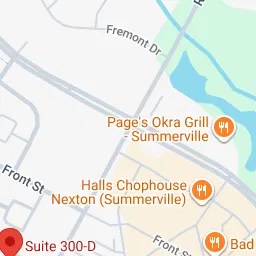
- Google Business Profile (GBP) Optimization: Complete every section of your GBP, including attributes, services, and business descriptions.
- Local Keyword Targeting: Optimize for "Service + [City Name]" or "Near Me" queries.
- High-Quality Local Photos: Regularly upload photos of your storefront, team, and completed projects to your GBP.
- Google Business Posts: Use the "Updates" feature to share news, offers, and events directly on the search results page.
- Localized Landing Pages: If you have multiple locations, create a unique, non-templated page for each one.
- NAP Consistency: Ensure your Name, Address, and Phone number are identical across all online directories (Yelp, Yellow Pages, etc.).
- Local Backlink Building: Sponsor local events or partner with neighborhood businesses to earn links from local domains.
- Review Management Strategy: Proactively request reviews and respond to every review, both positive and negative, to show engagement.
- Q&A Monitoring: Regularly check and answer the "Questions & Answers" section on your Google Business Profile.
- Map Integration: Embed a Google Map on your contact page to assist both users and search crawlers with location verification.
Optimizing for AI Overviews and LLM Search
As AI continues to summarize information for users, your content must be structured to be "citable" by these systems.
- Direct Answer Paragraphs: Place a concise, 2-3 sentence answer to the primary query at the beginning of your articles.
- Bullet-Pointed Summaries: Use lists to summarize key takeaways, as AI systems frequently extract these for featured snippets.
- Conversational Question Headings: Use H2 and H3 tags formatted as questions (e.g., "What is the best SEO strategy for 2026?").
- Entity-Based Optimization: Focus on "entities" (concepts, brands, people) rather than just keywords to help LLMs understand relationships.
- Data-Rich Tables: Present technical data or pricing in clear tables to make the information easily digestible for AI crawlers.
- Fact-Checking Rigor: Ensure all statistics and claims are accurate, as AI systems are increasingly trained to detect and penalize misinformation.
- Natural Language Processing (NLP) Focus: Write in a clear, straightforward manner that mirrors how users speak to voice assistants.
- Brand Mentions on Authority Sites: Increased mentions of your brand on third-party sites help AI systems associate your business with specific expertise.
- FAQ Sections on Every Service Page: Address common objections and questions directly on the page where the conversion happens.
- Strategic Use of Definitions: Define industry-specific terms clearly to capture "What is [X]?" queries in AI summaries.
Lead Generation & Website Conversion Optimization
Driving traffic is only half the battle; the ultimate goal is lead generation for businesses. Without a focus on conversion, your SEO efforts may result in "vanity metrics" rather than revenue.

- Clear Calls to Action (CTAs): Use high-contrast buttons with action-oriented text like "Schedule Your Free Audit."
- Lead Magnets: Offer a valuable resource (e.g., an SEO checklist) in exchange for an email address.
- A/B Testing Headlines: Regularly test different versions of your headlines to see which drives higher engagement.
- Trust Signals Above the Fold: Display industry certifications, partner logos, or high star ratings immediately upon page load.
- Simplified Contact Forms: Reduce the number of fields in your forms to mitigate friction and increase conversion rates.
- Live Chat Integration: Provide real-time support to answer prospect questions before they leave your site.
- Exit-Intent Popups: Offer a last-minute discount or a helpful resource when a user moves to close the tab.
- Speed-to-Lead Strategy: Ensure your internal processes allow for rapid follow-up on every organic lead generated.
- Heatmap Analysis: Use tools to see where users are clicking and scrolling, then adjust your layout accordingly.
Conclusion: A Proactive Path Forward
Securing organic traffic in the AI era requires a strategic shift from quantity to quality. By implementing these small business SEO examples, you are not merely "chasing the algorithm"; you are building a robust digital ecosystem that values the user's time and provides genuine solutions.
At Integrated Mobile Marketing, we specialize in bridging the gap between visibility and profitability. Whether you require a custom WordPress theme optimized for speed or a comprehensive digital marketing strategy, our team is here to ensure your business remains at the forefront of search. The future of search is here; it is time to leverage it to your advantage.