
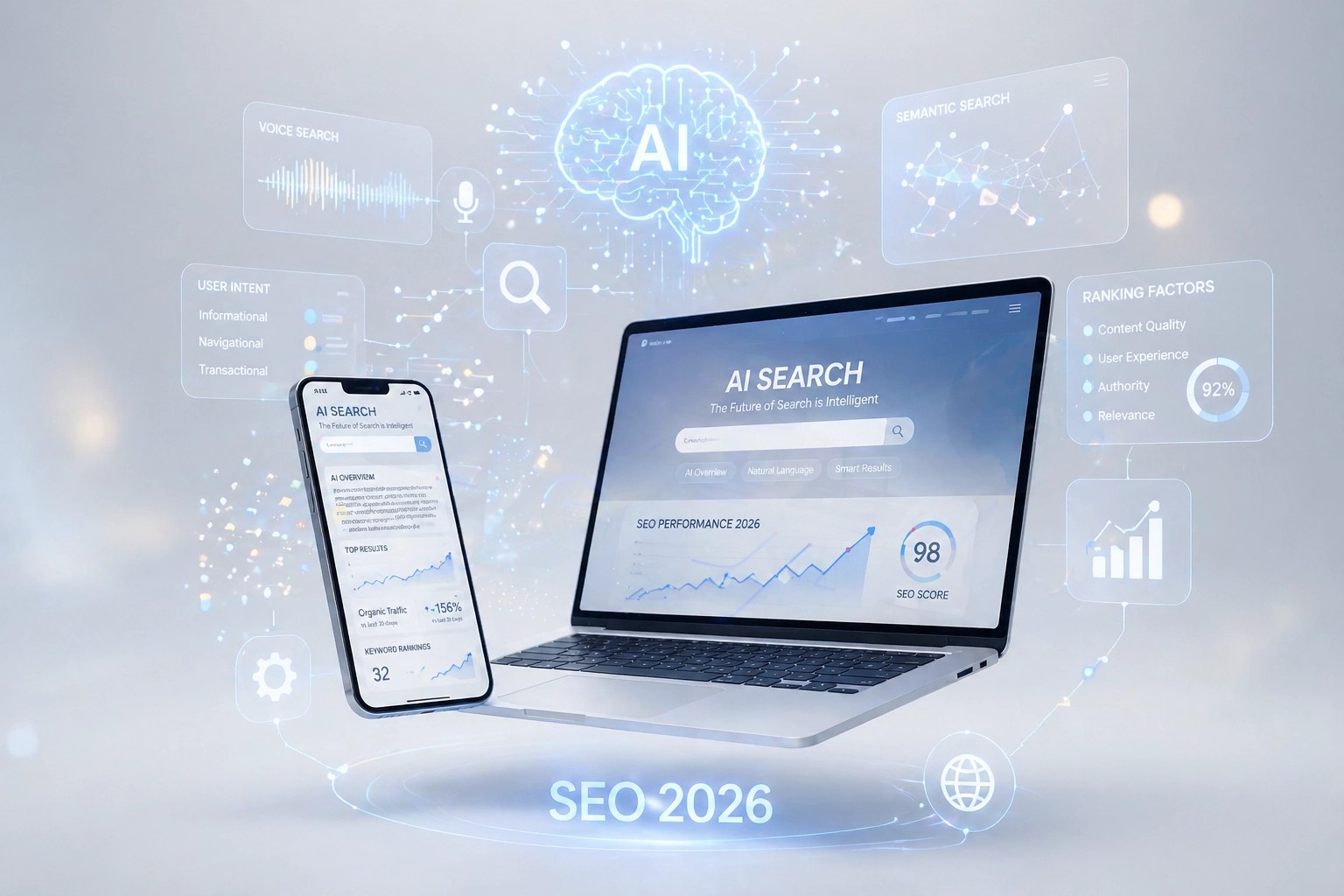
The digital landscape has undergone a seismic shift. For over two decades, the primary objective of search engine optimization was to secure a position on the first page of Google’s blue links. However, as we move through 2026, the question is no longer just about where you rank, but how you are discovered. With the integration of sophisticated Large Language Models (LLMs) into search engines, the "zero-click" era has matured into an "AI-mediated" era.
Many business owners and marketing directors are asking: Does SEO still matter? The short answer is yes, but the methodology has evolved. Traditional search traffic has not disappeared; rather, it has fragmented. To maintain a competitive edge, brands must now optimize for a dual ecosystem: the traditional Search Engine Results Pages (SERPs) and the increasingly dominant AI Overviews.
The Evolution of the Search Ecosystem
The current search environment is a hybrid. Users frequently alternate between traditional keyword searches and conversational, intent-based queries. Google’s AI Overviews and platforms like Perplexity have become the primary filters for information, distilling complex topics into concise, actionable summaries.
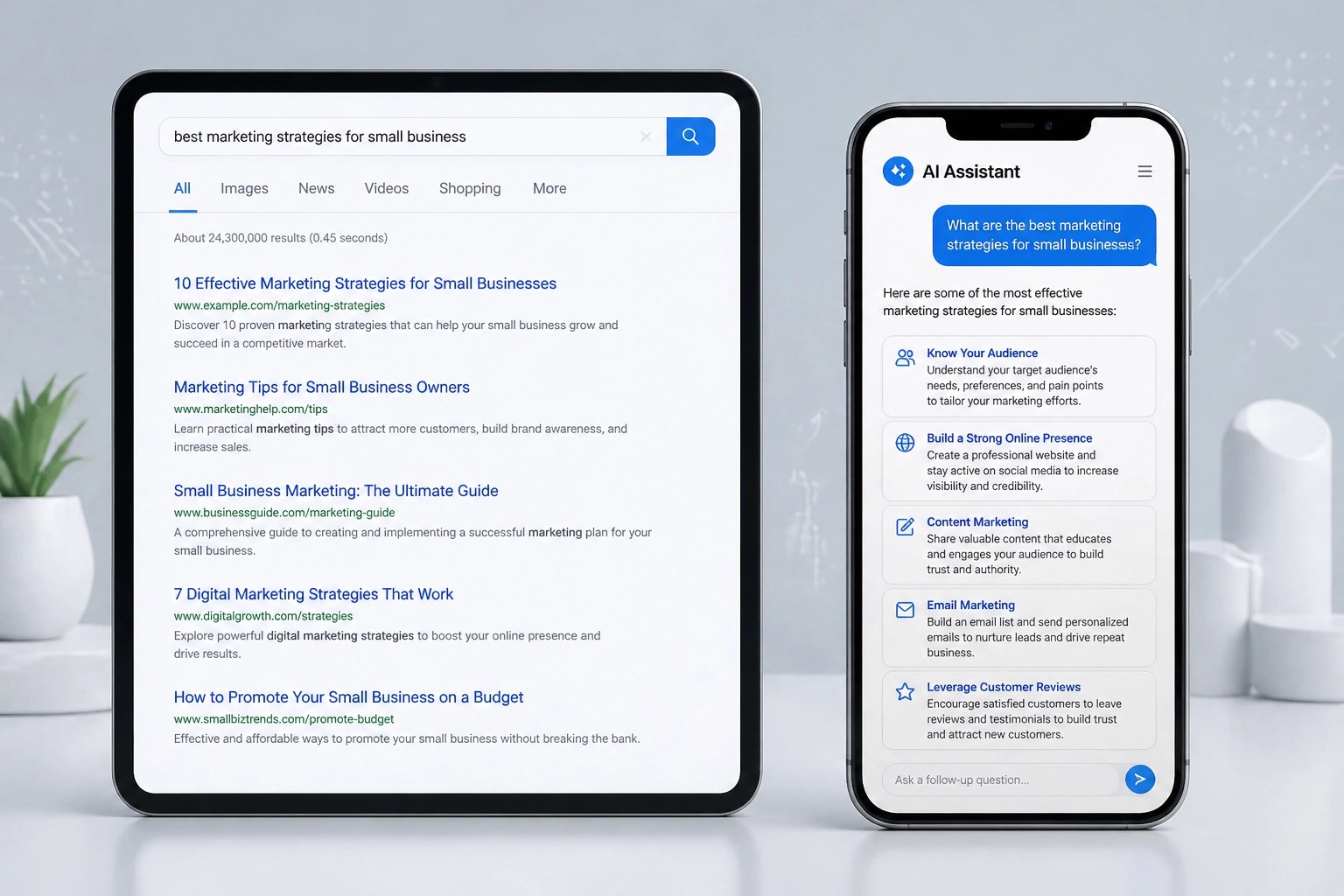
For businesses, this means that visibility is no longer a binary outcome. You must aim to be the source of truth that AI engines reference. When an AI provides an answer, it cites its sources. Being one of those citations is the new "Position Zero."
1. From Keywords to Entities and Intent
In 2026, search engines are less concerned with specific word strings and more focused on entities and user intent. An entity is a well-defined person, place, thing, or concept. By establishing your brand as a recognized entity within your niche, you increase the likelihood that AI will suggest your services.
To leverage this, your content must be structured to answer the "Why" and "How" behind a query, not just the "What." This requires a proactive approach to content strategy that anticipates the user's next question. Our team at Integrated Mobile Marketing focuses on creating deep, authoritative content that maps out these user journeys, ensuring your brand remains relevant throughout the decision-making process.
2. The Critical Role of E-E-A-T
Experience, Expertise, Authoritativeness, and Trustworthiness (E-E-A-T) have become the most significant variables in the ranking algorithm. As AI-generated content continues to saturate the web, Google has doubled down on rewarding human-centric authority.
- Experience: Show, don't just tell. Content that includes first-hand accounts, case studies, and original research is highly valued.
- Expertise: Ensure your content is authored or reviewed by recognized professionals in your field.
- Authoritativeness: Build a backlink profile from reputable, industry-specific sites.
- Trustworthiness: Maintain a secure website and clear business information.
A robust reputation management strategy is essential here. Verified reviews and consistent business citations are foundational signals that tell both Google and AI engines that your business is a reliable choice for consumers.
Technical Optimization for AI Accessibility
While the front-end of SEO is more conversational, the back-end has become more technical. To show up in AI answers, your website must be "readable" by machines in a very specific way.
Structured Data and Schema Markup
Schema markup is the language of AI. By implementing advanced Schema (such as Product, Article, LocalBusiness, and FAQ), you provide search engines with a clear map of your data. This allows AI engines to extract facts, prices, and locations accurately, increasing your chances of appearing in generative summaries.
Mobile Performance and Core Web Vitals
In 2026, mobile-first is not a suggestion; it is the baseline. AI search engines prioritize fast, responsive websites because they often deliver results to users on the go. If your site’s website development is lagging, or if your mobile user experience is cluttered, you will likely be bypassed by more optimized competitors.

Navigating the Rise of Zero-Click Searches
Data suggests that over 60% of searches now result in no click to a website, as the user finds the answer directly on the search page. While this might seem discouraging, it presents a unique branding opportunity.
Branded Search Integration is the key to mitigating traffic loss. If a user sees your brand name consistently cited in AI answers, they are more likely to perform a direct "branded search" (e.g., "Integrated Mobile Marketing website design") later. This type of traffic is highly qualified and carries a much higher conversion rate. To foster this, you should leverage social media management and targeted Google paid advertisements to keep your brand top-of-mind.
Strategies for Local SEO in an AI World
Local businesses face a unique challenge: AI often synthesizes local reviews and map data to give a single "best" recommendation. To ensure your business is that recommendation, you must optimize your Google Business Management profiles with high-resolution imagery, frequent updates, and proactive customer engagement.
AI engines favor local businesses that demonstrate a high "prominence" in their geographic area. This means that local SEO in 2026 is as much about digital PR and local community involvement as it is about keywords.
2026 SEO Action Plan: A Strategic Checklist
To ensure your business thrives in both traditional search and AI-driven discovery, follow this proactive roadmap:
- Audit Your Content for "Information Gain": Does your content provide new value, or is it simply a rehash of existing information? AI favors content that adds something new to the conversation.
- Implement Comprehensive Schema: Go beyond the basics. Use specialized schema to define your relationships with other entities in your industry.
- Optimize for Conversational Queries: Analyze the long-tail, question-based keywords your customers are using. Incorporate "People Also Ask" insights into your FAQ sections.
- Prioritize Page Speed: Utilize modern full-stack web technologies to ensure your site loads in under two seconds.
- Build a Strong Brand Narrative: Use social proof and consistent messaging to establish a brand that users search for by name.
Conclusion: The New Frontier of Digital Visibility
SEO in 2026 is not dead; it has simply been redefined. It is no longer a technical game of cat-and-mouse with an algorithm, but a sophisticated endeavor to build digital trust and authority. By focusing on high-quality content, technical excellence, and entity-based optimization, you can ensure your business remains visible wherever your customers are looking: whether it is a Google results page or a conversational AI interface.
At Integrated Mobile Marketing, we specialize in navigating these complex shifts. We create high-converting, user-friendly websites tailored to the demands of the modern web. If you are ready to future-proof your digital presence and turn search visitors into loyal clients, reach out to us today for a proactive consultation.